A new era for resilient renewable island energy
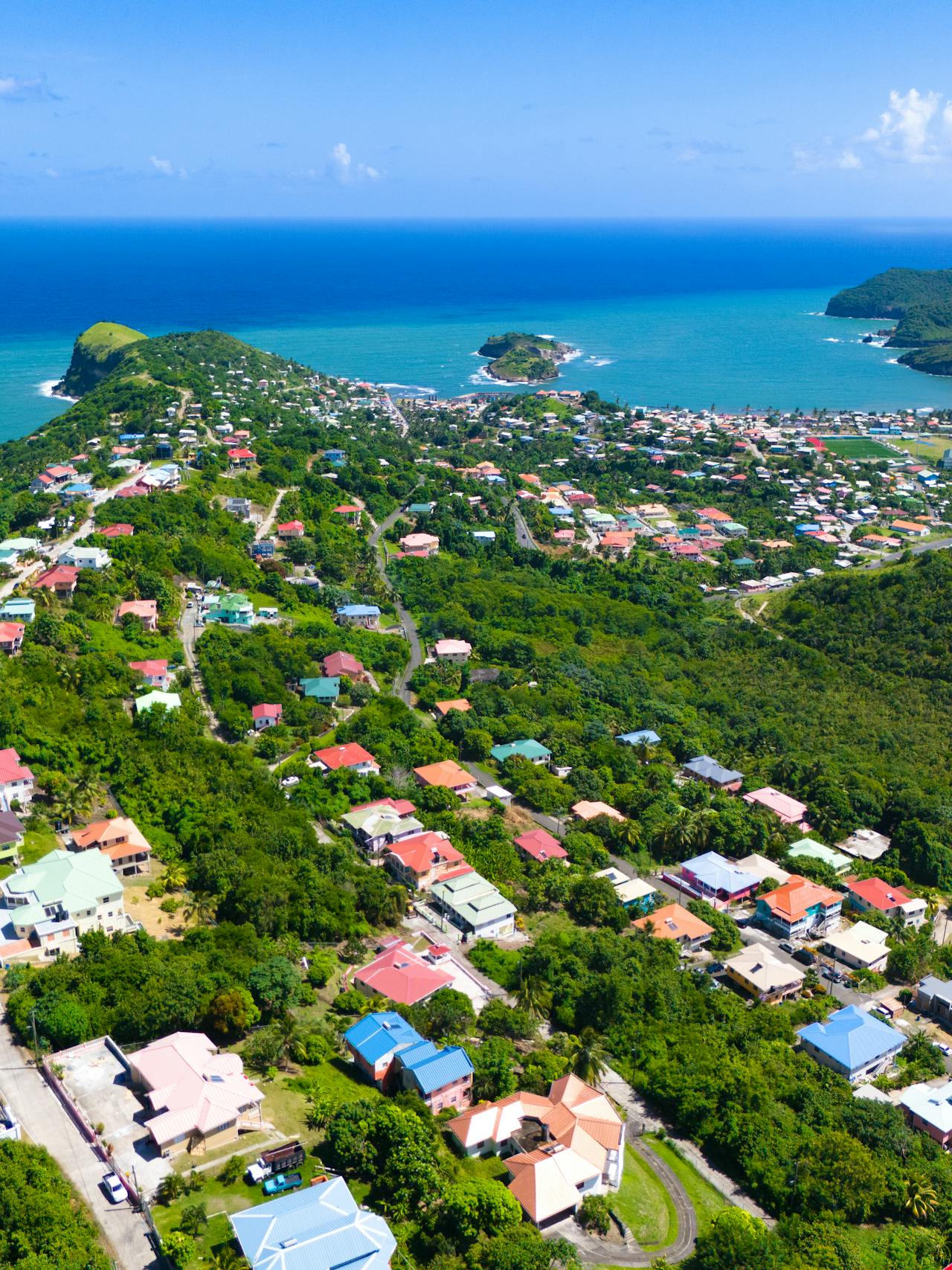
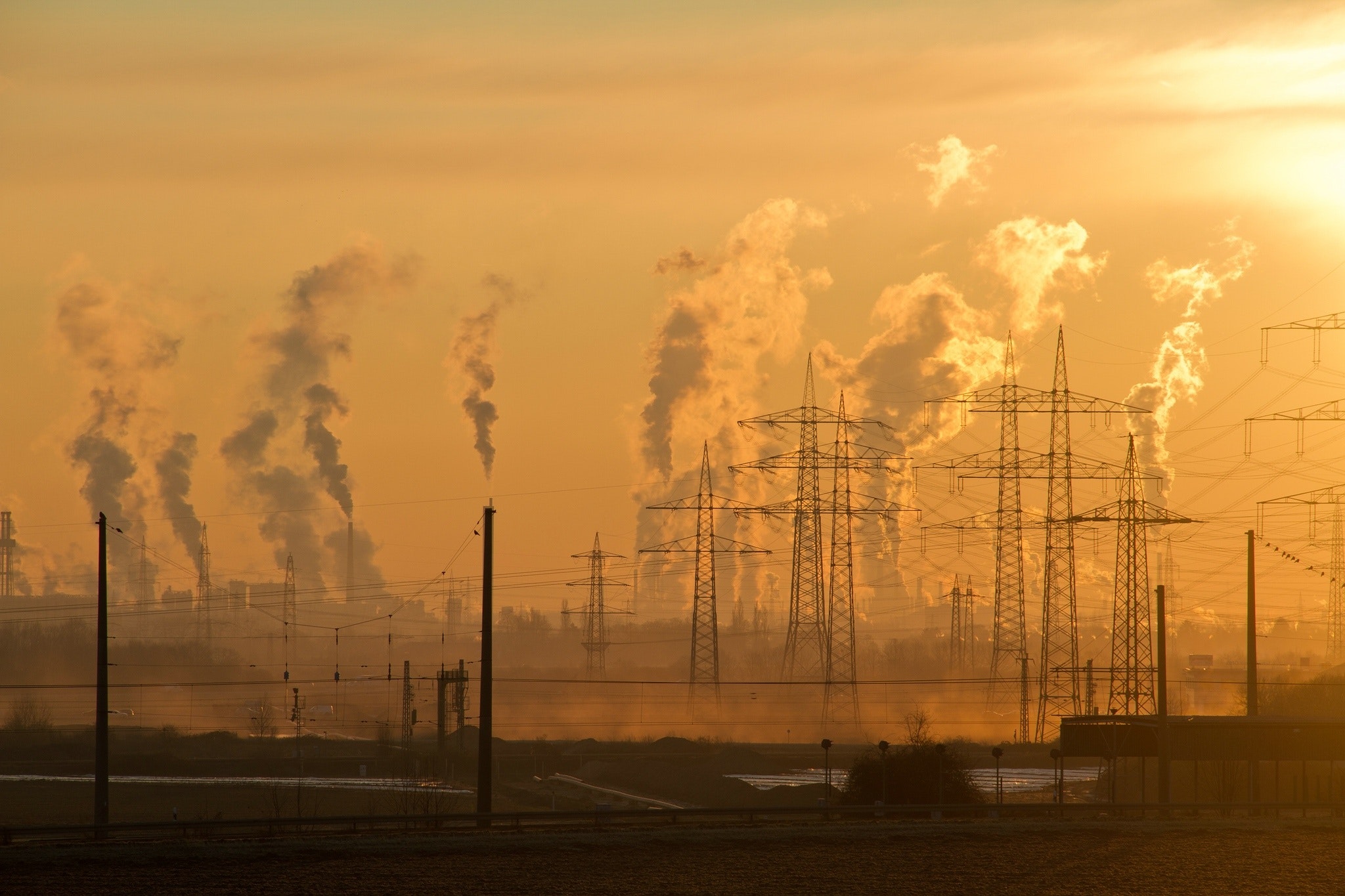
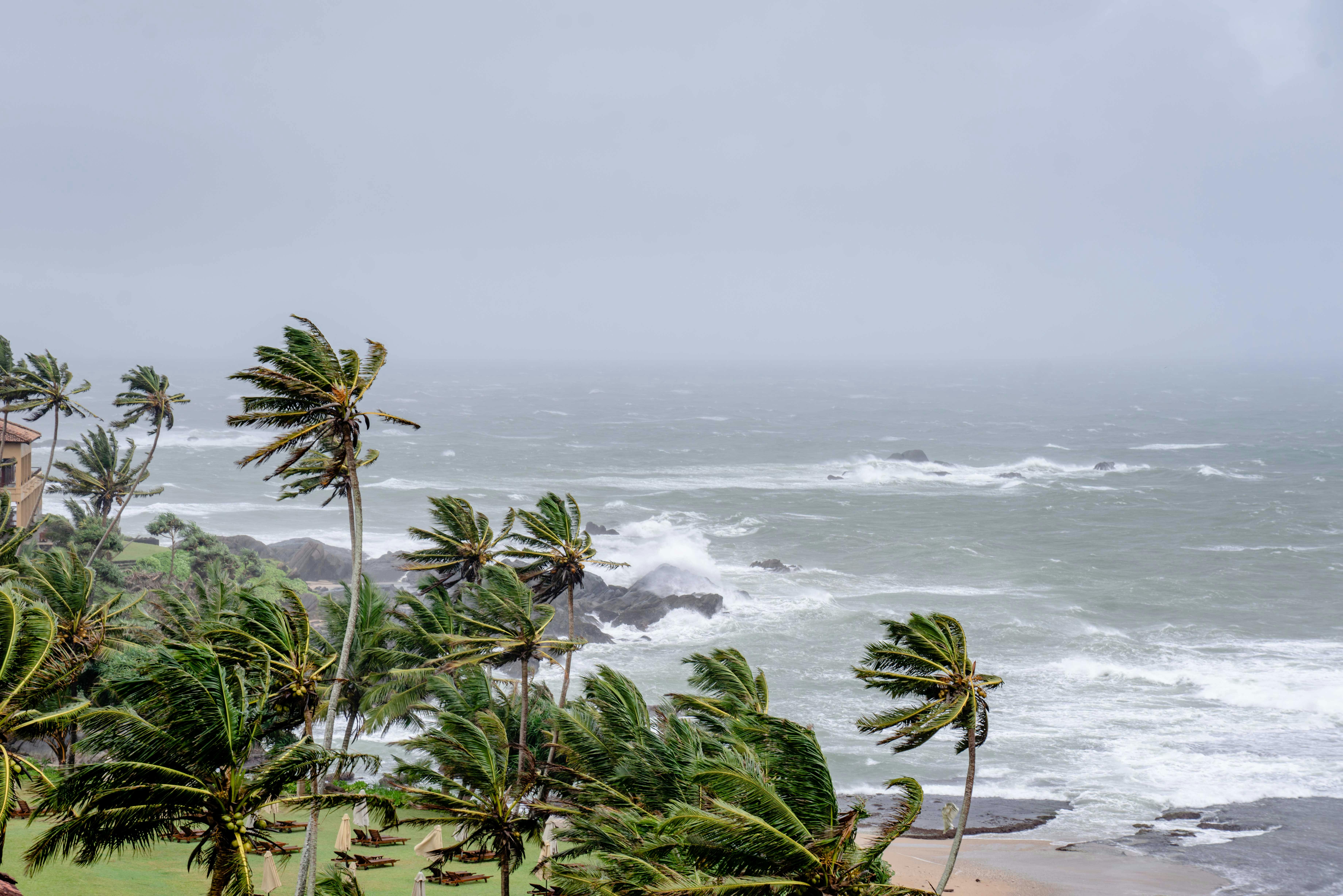
Small Island Developing States (SIDS) stand on the frontline of climate change. Intensifying storms, sea level rise, coastal flooding, and droughts are disrupting economies, damaging infrastructure, and undermining energy security. At the same time, dependence on imported fossil fuels results in some of the highest electricity prices in the world, leaving SIDS exposed to price volatility and external shocks.
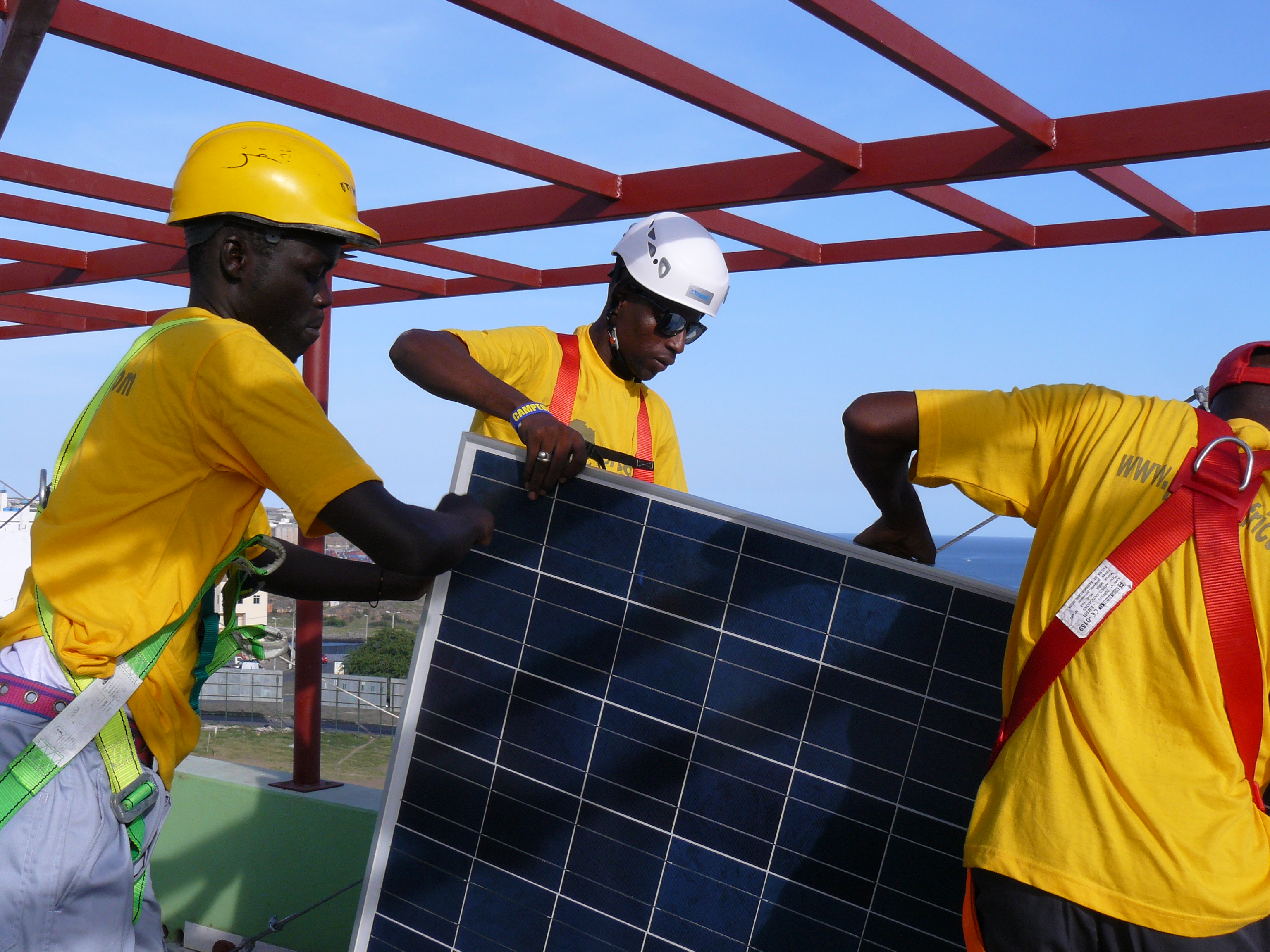
The Global Programme on Climate Resilient Renewable Energy Systems (G-RES) is a transformative multi-country initiative led by UNIDO, funded by the Global Environment Facility (GEF) and bilateral donors, such as Austria, and implemented together with national authorities in SIDS, the Global Network of Regional Sustainable Energy Centres (GN-SEC) and other partners. It supports SIDS in transitioning to resilient, affordable, and inclusive renewable energy systems that can withstand climate shocks and drive sustainable, climate secure economic growth.
Our Vision: Climate-resilient and renewable powered blue-green island economies that are secure, inclusive, and fossil fuel independent.

About G-RES
Challenges of SIDS Energy Systems
SIDS energy systems face a unique combination of systemic vulnerabilities:
- • Climate shocks: cyclones, storm surge, flash floods, heatwaves, coastal erosion, and sea-level rise, which can damage generation assets, cooling systems, transmission and distribution infrastructure, and critical coastal energy facilities.
- • Slow onset climate impacts: rising temperatures, shifting rainfall patterns, ocean warming and acidification, salinization, and prolonged droughts, all of which increase cooling demand and peak electricity loads while accelerating corrosion and degradation of coastal energy infrastructure.
- • Exposed and import-dependent infrastructure: concentration of energy assets in low-lying coastal zones, combined with heavy reliance on long and fragile fossil fuel supply chains and vulnerable port infrastructure for fuel imports, increasing exposure to external disruptions and price volatility.
- • High and volatile energy costs: electricity tariffs typically ranging from USD 0.30–0.50 per kWh, with fuel imports in some cases accounting for up to 30% of GDP, reinforcing macroeconomic vulnerability and limiting fiscal space for resilience investments.
- • MSMEs at risk: key island value chains —tourism, agriculture, fisheries, water services, and cold chains — depend on reliable and affordable energy, making them highly sensitive to supply disruptions and price fluctuations..
These interconnected pressures create a compound risk environment of climate and energy insecurity, where physical exposure, economic dependence on imported fuels, and infrastructure fragility reinforce each other. Without climate-resilient and decentralised energy system design, renewable energy investments risk underperformance or failure, undermining mitigation ambitions and long-term development gains, while further exacerbating the degradation of livelihoods and ecosystems central to sustainable development outcomes.
Integrated Approach to Address the Challenges
G-RES supports SIDS across the Caribbean, Pacific and Atlantic–Indian Ocean–South China Sea (AIS) regions in reducing fossil fuel dependence, strengthening energy security, and expanding climate resilient renewable energy and energy efficiency solutions.
The programme advances:
• SDG 7 – Affordable and Clean Energy
• SDG 9 – Industry, Innovation and Infrastructure
• SDG 12 – Responsible Consumption and Production
• SDG 13 – Climate Action
• SDG 17 – Partnerships for the Goals
Moreover, G-RES aligns with the Antigua and Barbuda Agenda for SIDS (ABAS), the Paris Climate Agreement, and regional sustainabl energy and climate resilience frameworks.
At the heart of G-RES is a fully integrated approach that treats climate mitigation (CCM), climate change adaptation (CCA), and energy security as equally essential and mutually reinforcing. In SIDS, these agendas cannot be separated: decarbonisation requires renewable energy, decentralisation, and efficiency — but these measures only deliver lasting benefits when they are climate resilient by design.
This protects critical island value chains — including tourism, agriculture, fisheries, water services, and the blue economy — and prevents sustainable energy investments from becoming stranded after storms, flooding, heatwaves, or sea level rise. A climate resilient energy system can prepare for change, withstand climate stress, operate during shocks, and recover quickly after disruptions, reducing long term repair costs and strengthening overall economic and social stability.
Because energy assets last 15–40 years (generation) and 40–75 years (transmission), climate risk assessments and adaptation measures must be continuous. Investing in resilience is highly cost effective: adaptation costs are significantly lower than disaster related repair, replacement, and economic loss.

Beneficaries
Governance
Geographic Scope
The programme supports SIDS across three regions, including countries eligible to access GEF financing, with a focus on ODA-eligible developing countries. These include the following:
- • Caribbean: Antigua and Barbuda, Bahamas, Barbados, Belize, Cuba, Dominica, Dominican Republic, Grenada, Guyana, Haiti, Jamaica, Saint Kitts and Nevis, Saint Lucia, Saint Vincent and the Grenadines, Suriname, Trinidad and Tobago
- • Pacific: Cook Islands, Fiji, Kiribati, Marshall Islands, Micronesia (Federated States of), Nauru, Niue, Palau, Papua New Guinea, Samoa, Solomon Islands, Timor-Leste, Tonga, Tuvalu, Vanuatu
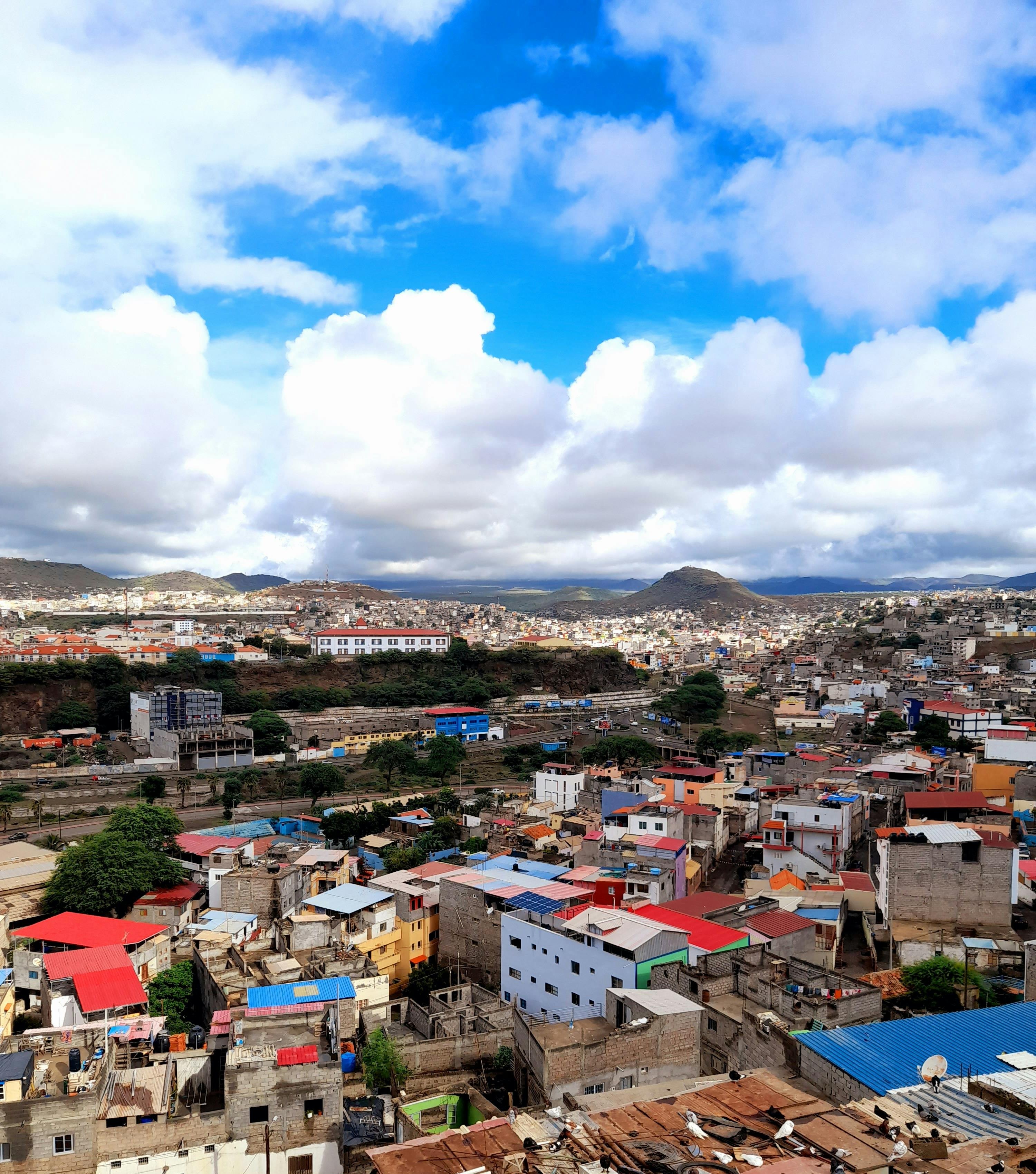
- • Atlantic–Indian Ocean–South China Sea (AIS): Cabo Verde, Comoros, Guinea-Bissau, Maldives, Mauritius, São Tomé and Príncipe, Seychelles
Global-Regional-National Approach
G-RES comprises a global-regional component that serves as an umbrella for an expanding portfolio of national projects implemented in parallel.
The global-regional component accelerates national progress by strengthening coordination, ensuring policy coherence, facilitating SIDS–SIDS cooperation, and sharing best practices in climate risk assessments, energy policy development, and integrated resource and resilience planning—including gender responsive and socially inclusive approaches. It also develops harmonised climate resilient standards and contributes to innovative blended finance and risk mitigation instruments that address the “climate resilience premium.”
The program starts with national projects in Antigua and Barbuda, Barbados, Palau, Papua New Guinea, Saint Lucia and St. Kitts & Nevis. These projects are not blueprints but designed according to national priorities. Additional national projects will join under GEF 9, creating a growing and coherent regional portfolio.Together, the two components ensure coherence, scalability, and long-term sustainability across all SIDS regions.
Implementation Structure
G‑RES is guided by a Steering Committee composed of SIDS governments, donors, GN‑SEC centres, other partners (e.g. SIDS DOCK) and gender/youth representatives. UNIDO provides the global management of the programme, ensuring global coordination, fiduciary oversight, technical quality assurance and alignment.
The projects are executed in partnership with national ministries, utilities, regulators and private sector in SIDS and the Global Network of Regional Sustainable Energy Centres (e.g. CCREEE, PCREEE, ECREEE, SACREEE, CEREEAC). SIDS DOCK and the SIDS‑SIDS Green‑Blue Economy Knowledge Transfer Hub at UWI will be partners for SIDS-SIDS knowledge transfer and cooperation.
G-RES embeds a strong gender, youth and social inclusion framework:
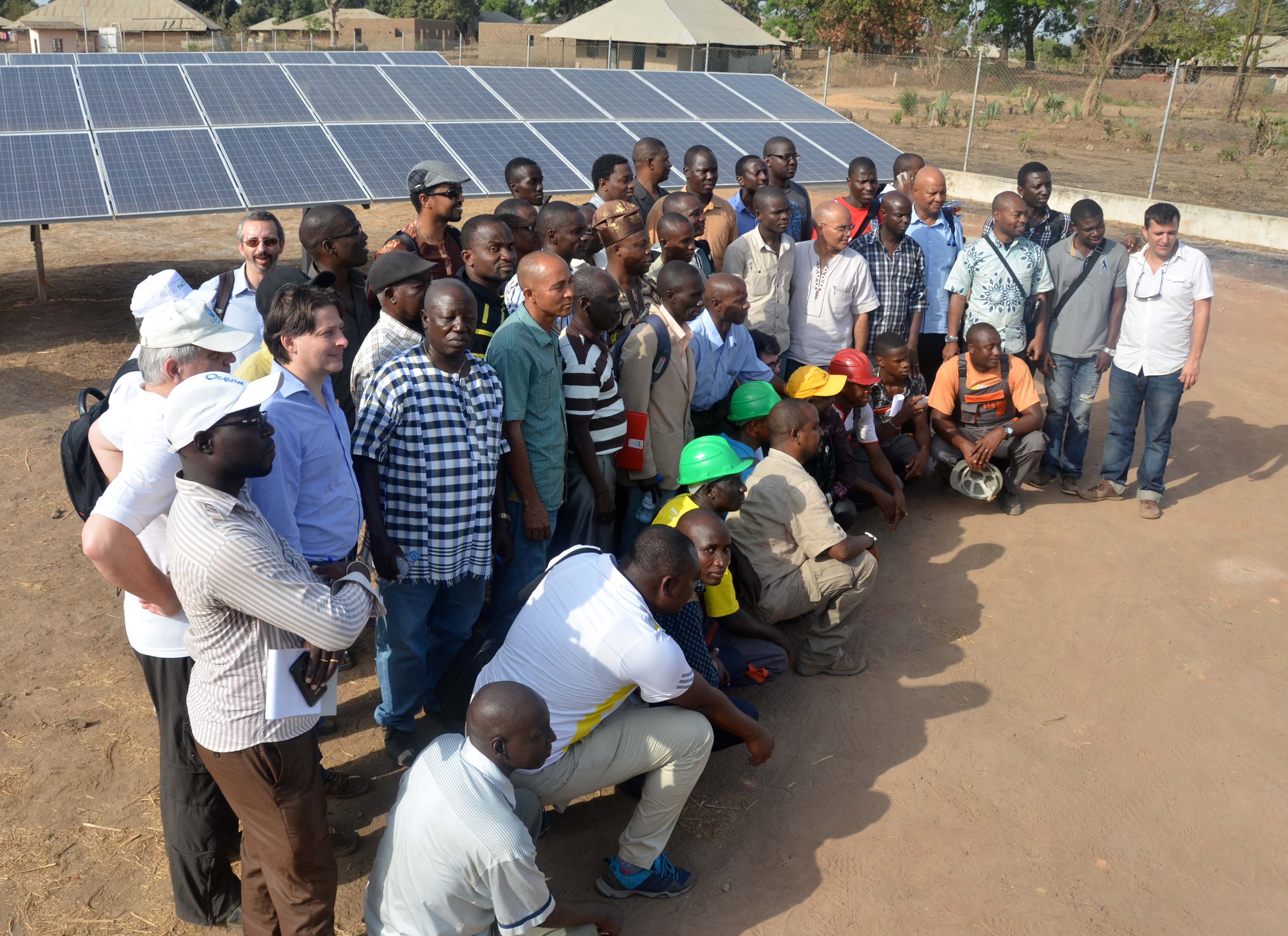
• 50% women and 30% youth in all training and capacity building
• gender responsive energy planning and governance
• targeted support for women and youth led cleantech MSMEs
• inclusive finance through gender lens investing
• sex and age disaggregated monitoring

Objectives
Solutions
Impacts
Overall Objective
G-RES aims to strengthen the adaptive capacity of SIDS energy systems through climate-resilient renewable energy solutions, thereby reducing fossil fuel dependence and GHG emissions, enhancing energy security, and generating productivity gains and adaptation co-benefits for key value chains (e.g. tourism, agri-food, blue economy, water supply).
Outcomes
• Strengthen national and regional energy institutions, policies, and regulations
• Build technical capacity and regional quality infrastructure systems
• Mobilize blended finance and de risk resilient energy investments
• Promote SIDS-SIDS knowledge exchange and digital learning
• Empower entrepreneurs, women and youth
Technical Scope
G-RES prioritises climate-resilient renewable energy systems, integrated energy efficiency, and smart technologies to support sustainable energy transitions in SIDS.
Renewable Energy
The programme focuses on diversified, decentralised renewable energy systems, including:
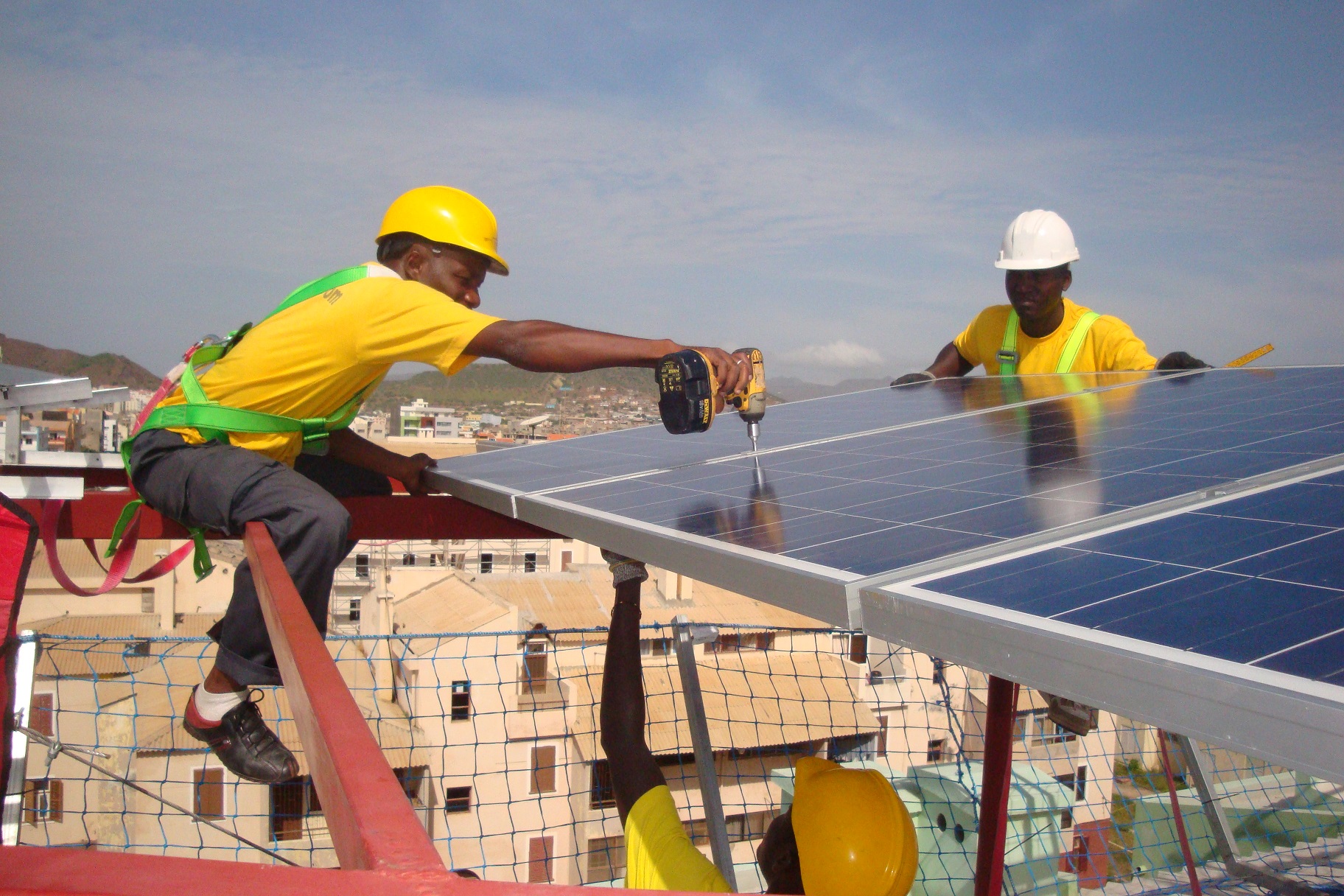
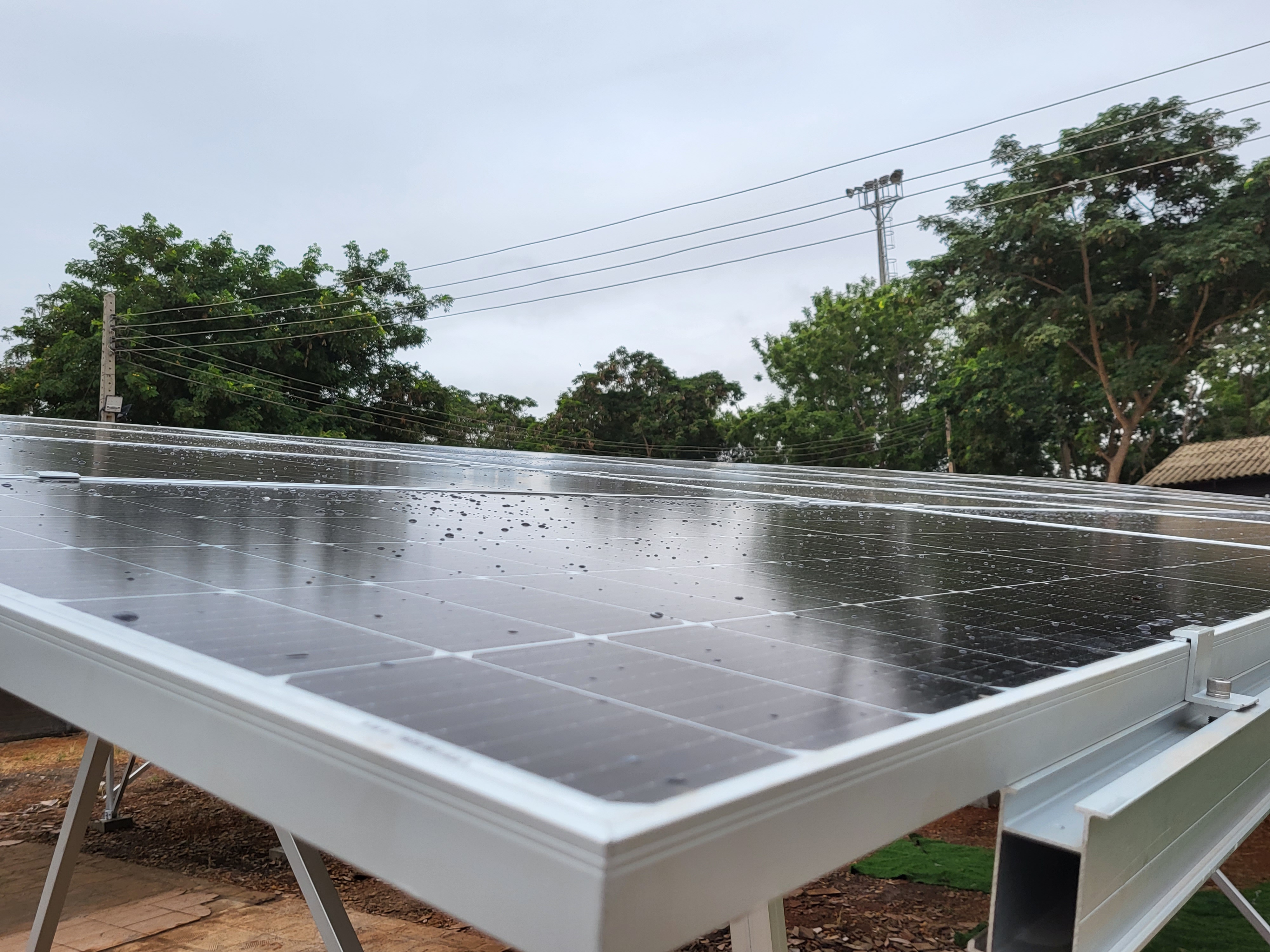
• Solar PV and solar thermal solutions for electricity, water, agriculture, and cooling
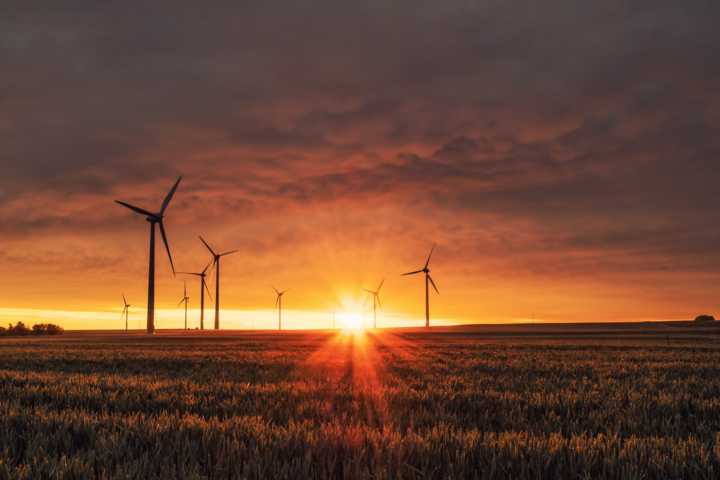
• Wind energy systems designed for hurricane resilience
• Run-of-river micro and mini hydropower for decentralized supply
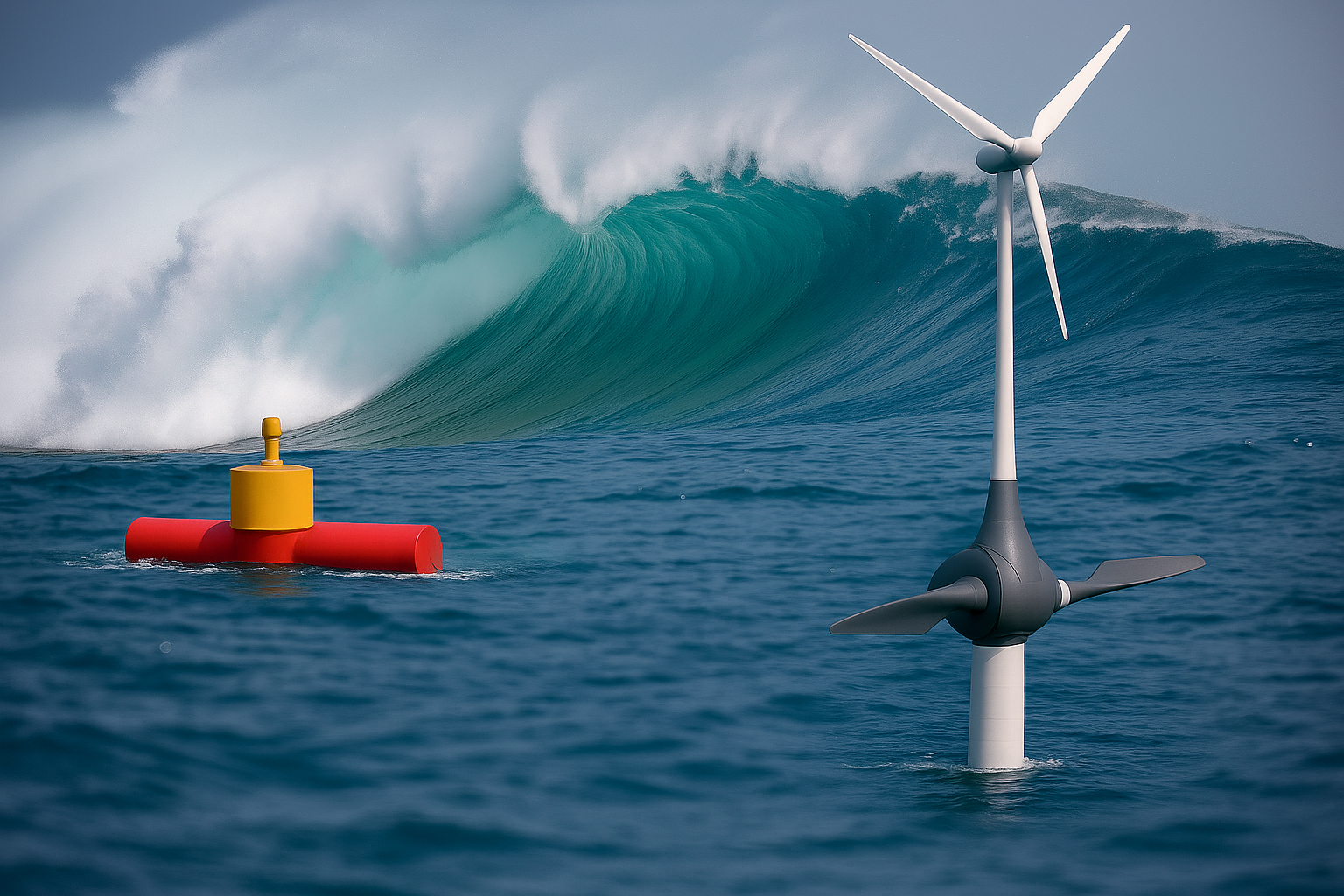
• Emerging ocean energy technologies (wave, tidal, OTEC, SWAC) for coastal and blue economy uses
• Modular geothermal systems for reliable baseload power
• Sustainable bioenergy from non-food biomass, organic waste, and sargassum
Energy Efficiency
Energy efficiency is applied where it directly supports renewable energy systems by:
• Reducing energy demand through efficient buildings and appliances
• Improving productive-sector efficiency (agriculture, fisheries, tourism, cold chains)
• Enabling smart grids and demand-response systems to optimise renewable integration
• Supporting electric mobility and resilient, low-carbon transport systems
Smart and Cross-Cutting Technologies
The programme strengthens system resilience through:
• Battery energy storage (BESS) and green hydrogen pilots
• AI-enabled energy management systems and predictive grid control
• Smart grids with real-time monitoring, automation, and fault response
Climate Resilience Approach
Energy systems are designed to withstand climate shocks through:
• Physical hardening of infrastructure (cyclone/flood resistance)
• Decentralised microgrids for energy security during outages
• Advanced storage and grid-forming technologies for stability
• Climate-informed planning, risk assessments, and resilient standards
• Nature-based protection (e.g. mangroves and coastal ecosystems)
A climate-resilient energy system is defined by its ability to prepare for climate risks (readiness), withstand long-term climate stress (robustness), maintain operations during shocks (resourcefulness), and rapidly restore functionality after disruptions (recovery). Investing in resilience is highly cost-effective, as the cost of adaptation is significantly lower than disaster-related repair, replacement, and economic losses.
Expected Impacts
The programme’s expected results are aligned with indicator frameworks for climate change mitigation, climate change adaptation, including the GEF core indicator frameworks (general and SCCF). The following positive impacts are expected:
Mitigation & Energy Security
• Significant reductions of greenhouse gas emissions, both direct and indirect
• Reduced reliance on imported fossil fuels
• Increased supply security through climate resilient decentralised renewable energy solutions
Adaptation & Climate Resilience
• Adoption of climate resilient infrastructure, planning tools, and technical standards
• Strengthened energy resilience across water, agri food, tourism, and blue economy sectors
• Increased number of people and energy institutions with enhanced capacity to anticipate, absorb, and recover from climate impacts
Socio Economic Transformation
• Creation of green jobs, ensuring at least half are held by women and at least one third by youth
• Enhanced competitiveness and resilience of micro , small , and medium sized enterprises
• Strengthened innovation ecosystems through cleantech clusters and entrepreneurship support
Knowledge & Replication
• Market economies of scale for solutions through harmonised standards, planning tools, and vocational qualification frameworks
• Unified market for resilient energy technologies across SIDS
• Improved SIDS-SIDS learning, data sharing and replication
.avif)